What is the difference between Lux and Lumen?
Information, Ledverlichting | Posted on May 2, 2023 by Firefly
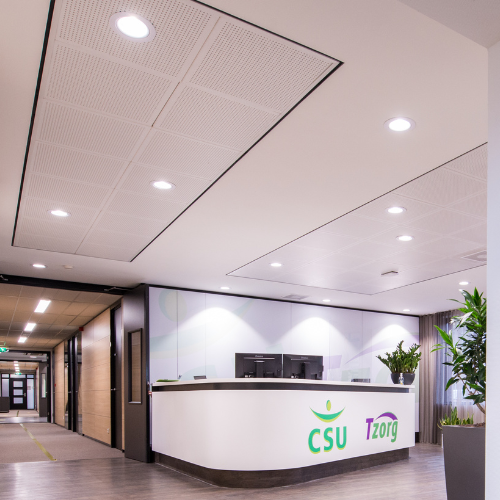
When it comes to lighting, many people have no idea what the difference is between lux and lumens. But if you really want to know something about lighting, it is important to understand the difference between lux and lumens. In this blog we explain the difference between lux and lumens in detail. All our lighting has its own lumen and lux values, including the biodynamic lighting that adjusts the light during the day to create more of an outdoor experience.
What is Lumen?
Lumen is a unit for luminous flux and is the most commonly used measure for measuring the intensity of light. The higher the value, the more light the lamp gives. The lumen value of a lamp therefore indicates how much light is produced. So if you want to buy a lamp that gives a lot of light, it is important that you know the size of the lumen value of the lamp.
In addition, it is important to know that the lumen value of a light source can differ depending on the color temperature. Lamps with a low color temperature can in some cases also have a lower lumen value. Of course, this also applies the other way around.
What is lux?
Lux is the amount of light that ultimately reaches the surface. This means that the higher the lux value, the more light falls on a certain surface. It is measured in lumens per square meter (lm/m³).
The amount of lux required depends on the activity that is carried out in the space. For example, for a living room, the perfect amount of lux would be lower than for an office space where a lot of reading and writing would be done. For lighting in a living room, between 200-300 lux is often recommended, while for an office space 500-1000 lux would be better.
Lux is also important for outdoor lighting. A parking lot needs more light than a park. As mentioned earlier, lighting is often tailored to the activities taking place in the space.
Lux is therefore an important factor because there are various lux standards that the lighting within a certain business space must meet. This helps to determine the appropriate lighting for a certain space within a company. It is important to have enough lighting to be able to carry out the desired activity and to meet the standards.
Where do the terms lux and lumen come from as measured values?
Lux and lumen are derived from the Latin words lux and lumen, which literally mean light and luminous flux. Lux and lumen are two different units that are used to measure the brightness of light. Lux is a unit for measuring light that falls on a surface, while lumen is a unit for the total amount of light that is given off by a fixture or lamp. Lux and lumen are often used in combination to assess the brightness of a light source.
What exactly is the difference between lux and lumen?
As previously described, the difference between lux and lumen is that lux measures the amount of light that actually reaches the surface, while lumen measures the luminous flux produced by a lamp. Lux therefore measures how much light falls on a surface, while lumen measures how much light the lamp produces.
Example of the differences between lux and lumen
The difference between lux and lumen can be difficult to understand, so here is an example. Imagine you have a lamp with a lumen value of 1000. This means that the lamp produces 1000 lumens. If this lamp is placed in a room with a surface area of 10 m², the lux value will be 100. This means that 100 lux falls on the surface. The formula is: Lux = Lumen/m³
The difference between lux and lumens is important to know when you want to buy lighting. We can help you with this by advising you on the best lighting for your space. Firefly offers a wide range of lighting, from LED lighting to biodynamic lighting and lijnverlichting.
Firefly advises you on everything related to lighting!
For more information, visit the website. If you need more information about lighting or advice on which lighting is best for you, please contact Firefly.
Related Posts

Regelgeving | September 30, 2023
How biodynamic lighting contributes to a safe environment for residents in healthcare
When you step inside the walls of a healthcare facility, you want it to feel safe and inviting. You want it to feel like the light is embracing you like a warm blanket, not cold and impersonal. This is exactly what biodynamic lighting is all about. Biodynamic lighting is more than just light. It’s about […]
Read more
Regelgeving | December 13, 2023
Biodynamic lighting as a crucial factor for the well-being of patients and caregivers
Imagine a world where lighting does more than just illuminate spaces. A world where light actively contributes to our well-being. That’s exactly what biodynamic lighting is all about. At the heart of healthcare, where both patients and caregivers are dealing with stress and pressure, the right lighting can be an anchor of comfort. This technology, […]
Read more
Regelgeving | December 13, 2023
The impact of energy-efficient lighting on patient health and sustainability in the healthcare sector
Energy-efficient lighting is transforming the way we perceive and experience healthcare facilities. Not only does it contribute to a significant reduction in energy consumption, it also promotes a healthier environment for both patients and caregivers. When we talk about lighting in healthcare, it’s not just about illuminating spaces. It plays a crucial role in the […]
Read more
